Seboza Primary School at risk of flooding, community calls for urgent mitigation measures
By Jonah B Moyo
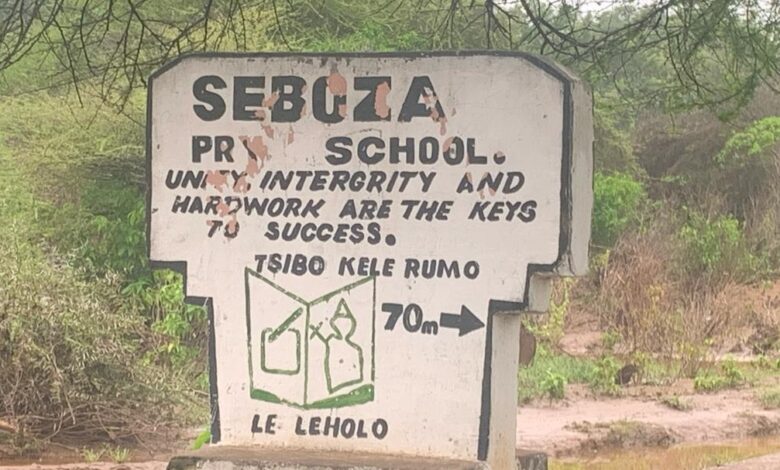
Seboza Primary School in Gwanda South is facing growing concerns over recurring floods that disrupt learning and threaten infrastructure. The community members, parents and partners are now actively working together to find a sustainable solution.
Seboza Primary School established in 1938, was built in an area that at the time, showed no obvious environmental risks. But over the decades, shifting weather patterns and heavier rainfall linked to climate change have altered the landscape.
The nearby Mkhalipe River, which runs behind the school now frequently bursts its banks during heavy rains. In recent years, floodwaters have diverted through the school grounds, flowing into classrooms and teachers’ cottages.
During the latest rainy season, lessons were temporarily disrupted as water filled parts of the school, raising safety concerns among parents and staff.
Teachers and community members worked together to remove water from classrooms and cottages, demonstrating strong local commitment to protecting the school despite continued process.
Community members said the flooding has become more frequent and intense. Walls remain damp long after rains stop, raising concerns about long-term structural damage.
Last year, teachers reportedly lost property when water levels rose to knee height inside cottages. Food for the school feeding programme was also damaged, affecting learners who rely on school meals.
Parents said children sometimes miss school when streams surrounding the school swell, making access unsafe. Despite these challenges, the community has chosen not to give up on education. Instead, they are seeking practical, long-term solutions.
The Seboza community has formally approached JRG Goddard Company, requesting assistance to relocate the school to higher ground away from flood-prone areas.
Khangelani Ncube, a parent from Seboza Village, said the flooding has become a serious concern for families.
“We are worried about our children. This flooding has been happening for some time. We believe relocating the school to higher ground would protect learners and give them a safer environment,” she said.
Ncube added that a safer location would not only protect infrastructure but also ensure consistent school attendance, even during heavy rains.
John Tlou, a community member, highlighted another impact of the flooding relating to difficulty in retaining teachers.
“Teachers’ properties have been destroyed by water before. Some teachers struggle to stay because conditions are difficult, especially when water floods cottages at night,” he said.
He explained that improving infrastructure would not only protect learners but also help attract and retain qualified teachers.
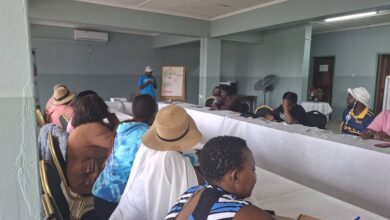
Representing JRG Goddard during the community meeting in Seboza, Smart Maphosa said the company had engaged with the community and visited the school to assess the situation.
“We were invited by the Seboza community to explore possibilities of building a new school on higher ground. We gathered information to prepare documentation that will help us approach potential partners,” he said.
Maphosa clarified that while the company currently does not have sufficient funds to immediately construct a new school, they are seeking partnerships to make the project possible.
“Our goal is to help build a modern school that meets standards, with improved sanitation, solar power systems and access to technology such as computers. But this will depend on securing adequate funding,” he added.
In February last year, the school was flooded, with teachers and community members working together to remove water from classrooms. Some learning materials were damaged.
Despite repeated setbacks, the Seboza community remains hopeful.
Their vision is clear: relocate the school to safer ground, build stronger infrastructure and ensure uninterrupted education for future generations.
As climate patterns continue to shift, Seboza’s situation highlights a broader need for climate-resilient school infrastructure in vulnerable rural communities.
Community Podium is the recipient of the 2025 Outstanding NGO Reporting Award. This reflects our dedication to amplifying community voices and advancing public-interest journalism.