Waste pickers seek formalisation
Providence Moyo
Bulawayo waste pickers are calling for the formalisation of their sector and a 2023 budget that will create better working conditions for them.
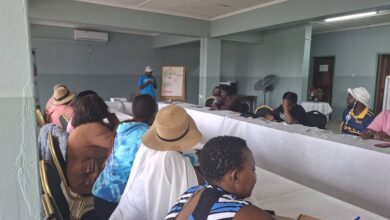
In a document handed to the Joint Parliamentary Portfolio Committee on Budget, Finance and Economic Development and Expanded Committee on Sustainable Development Goals in Bulawayo on Wednesday, by Bulawayo Waste Pickers Association presented a litany of recommendations they believe can improve their work environment.
‘’In Bulawayo alone, we have more than 800 people operating as waste pickers and this is their only source of livelihood which they use to fend for their families especially in this time of high levels of unemployment in the country. In nearly every town and city of Zimbabwe, waste pickers make valuable contributions to solid waste management, economic development and social empowerment of their families,” said the waste pickers.
The association seeks the formalisation of waste picking as there is no national nor local authority policy measures that recognize the sector.
Local authorities are encouraged to amend their bylaws to recognize the existence and relevance of individual waste pickers, waste upcyclers and indigenous waste recyclers.
The only available local authority by-laws are the ones that prohibit waste picking and outlaw it. Due to this informality, waste pickers suffer numerous forms of abuse, human rights violations and economic exploitation because they merely have no protection,” the waste pickers bemoaned.
They also asked to be considered for loans and grants to support their work and welfare.
“Loans and grant schemes from the Ministry of Women Affairs, Women’s Bank and Youth Empower Bank should be redefined and redesigned to be responsive to the waste picking sector,” they said.
Bulawayo Waste Pickers Association which was formed through the efforts of the Matabeleland Institute for Human Rights (MIHR) pledged its commitment to contributing towards the realization of National Development Strategy 1 (NDS1) and Vision 2030.
In 2018, the government adopted Vision 2030 which it says seeks to transform the nation towards a “prosperous and empowered Upper Middle Income Society by 2030, with job opportunities and a high quality of life for its citizens.” In the implementation of the vision, the government is guided by 5 year development strategies.