Kgobotwane dam revival brings hope to Gwanda community
By Jonah B Moyo
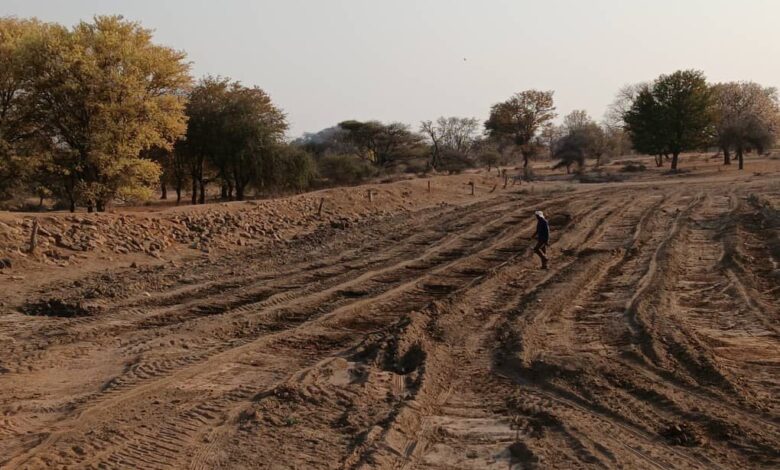
Kgobotwane Dam in Gwanda South, Ntalale, is undergoing rehabilitation after years of neglect, siltation, and water scarcity. With ongoing scooping operations, the dam is poised to reclaim its capacity, promising relief to livestock and boosting youth projects.
Brethren In Christ Compassionate And Development Services (BIC-CDS) is spearheading the dam scooping initiative, aiming to enhance climate resilience for vulnerable communities in Gwanda, including women, men, boys and girls, while promoting biodiversity conservation.
Members of the community are rallying behind the dam rehabilitation effort, committing three days a week to lend a hand. Some are tasked with stone collection for the spillway, demonstrating their eagerness to contribute to this vital project.
The dam’s water holding capacity was severely compromised due to siltation, retaining water for less than four months. This led to a crisis for local farmers, who were forced to rely on community boreholes to pump water for their livestock, resulting in their depletion due to overuse.
The rehabilitation of Kgobotwane Dam is a welcomed development for the local communities. Once completed, the dam will provide numerous benefits, including, which will be a steady water supply for livestock, reducing the risk of dehydration and improving animal health.
In an interview, BIC-CDS Programme Manager Ndabenhle Ncube emphasised the organisation’s commitment to addressing the challenges posed by climate change to local communities.
“BIC-CDS currently operates in eight wards (4, 6, 7, 8, 9, 11, 14, and 16) within Gwanda District. As part of our initiatives, we also prioritise the conservation of water bodies, including dams, to promote sustainable water management and ecosystem health.
“As part of our district wide initiative, we aimed to rehabilitate six dams, and we are currently making progress on one of them the Kgobotwane Dam in Ntalale, Gwanda South. With a dam scooper actively on site, our goal is to complete the project as soon as possible,” he said.
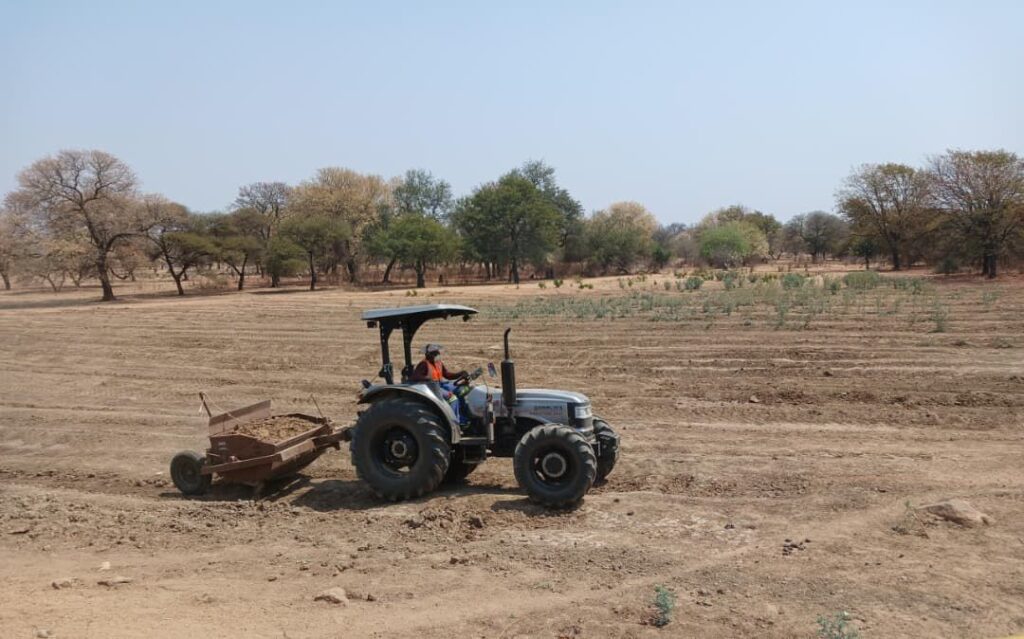
Upon completion, the project will provide the community with a sustainable source of domestic water, addressing their water needs and enhancing their quality of life.
“Once the silt removal is complete, we plan to have the borehole running to provide the community with access to clean water. The dam will serve as a water source for livestock, ensuring a sustainable solution for both human and animal needs. To ensure a safe working environment, community volunteers are equipped with proper attire, and clear signage has been put in place to prevent accidents,” Ncube said.
He noted that the remaining five dams still have water, which prevents them from starting the scooping process.
“Due to the recent heavy rains, the other dams are still filled with water, making them unsuitable for scooping as the machinery would get stuck in the mud. However, we plan to work on them once they’ve dried up, with the aim of enhancing their water holding capacity,” he said.
Kgobotwane Dam Chairperson Sethile Moyo from Ntalale recalled that the dam had been a significant challenge for Ward 11, highlighting the community’s struggles with water scarcity and other related issues.
“For years, we have been seeking assistance to rehabilitate our dam. The water shortage forced our livestock to travel long distances, and some never returned. We resorted to pumping water from local boreholes, but this created another issue – they would dry up, leaving the community without sufficient water.
“We extend our heartfelt gratitude to BIC-CDS for initiating the rehabilitation of our dam in Ward 11. We hope that once completed, the dam will retain water for several months, providing a reliable source for our livestock during the dry season,” she said.
Once the dam scooping is complete and the water is retained, they are planning to launch projects that will benefit the entire community.
“With the dam rehabilitated and filled with water, we envision opportunities for our youth. By introducing fish into the dam, we can create a sustainable source of income for them through fishing. This can empower them to earn a living by catching and selling mature fish, while helping to steer them away from crime and substance abuse.
“With the dam’s water retention capacity improved, we can establish irrigation schemes nearby, enabling farmers to grow crops and vegetables that will generate income. The Kgobotwane dam project has the potential to transform lives and boost livestock production in our community,” Moyo said.
“Over 70 community members are dedicated to this project, working over 3 hours a day, 3 days a week, driven by the desire to see their dam rehabilitated and unlock new opportunities. Thanks to BIC-CDS, we have proper protective gear and a first aid kit on site, ensuring a safe working environment,” the Chair added.
Local farmer Tsepo Dube noted that water scarcity had previously hindered their ability to undertake irrigation projects, but hopes that the rehabilitated dam will change this.
“Our dam’s poor water-holding capacity made irrigation impossible, as it would dry up within 2-3 months, leaving our crops without sufficient water. This forced us to travel long distances, which was particularly challenging for elderly community members with mobility issues.
“We are hopeful that the dam rehabilitation will be a game changer, enabling us to establish reliable irrigation systems and improve our livelihoods,” said Dube.