Open-air worship: Balancing faith and community
Providence Moyo
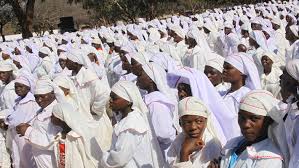
In a thought-provoking virtual discussion hosted by Centre for Innovation and Technology (CITE), the topic of open air worship and its impact on local communities took center stage.
In the space titled “Open air worship – what should local authorities do?” participants echoed the need for open air churches to empathize with community members to prevent spiritual intimidation.
Njabulo, a vocal participant in the discussion, emphasized the importance of open air churches not interfering with the well-being of fellow community members who often navigate these spaces as quasi-shrines. He raised concerns about the presence of intimidating items such as knives and red clothes left on these shrines, hindering community members from freely passing through.
Human rights activist Tsepang Nare underscored the necessity of empowering local authorities through proper devolution of power. Nare highlighted how central government interference in land occupation based on political affiliations can hinder local authorities from carrying out their duties effectively. She stressed the significance of engaging in consultative meetings with local church leaders to understand the symbolic practices associated with open air worship.
Namaphahla, another participant, acknowledged the cultural and religious significance of these practices but urged practitioners to be mindful not to intimidate other community members. She remarked, “Izinto lezi azenziwe khatshana labantu ngoba ziyesabeka njengoba abanye betshiya izinto ezifana lezinqamu okucina kusenza ukuthi abanye abantu besabe ukuhamba lapho.”
Professor Mpofu drew parallels between modern open air churches and the historical practices of John the Baptist, who famously worshipped in open spaces. As these churches navigate issues such as climate change impacting their worship experiences, Mpofu highlighted the importance of understanding and mitigating these challenges.
The dialogue brought to light the complexities surrounding open air worship and the delicate balance required to ensure communal harmony while honoring religious traditions. As these discussions continue, stakeholders are urged to collaborate towards fostering inclusive and respectful spaces for all community members.
This comes at a time council has resolved to penalise apostolic sects for environmental degradation, a claim the local authority validates through a research carried out between April and May to establish the nature and extent of open air worship and environmental impact.