Byo waste pickers seek designated work spaces
Mbekezeli Ncube
Waste pickers in Bulawayo are appealing to the Bulawayo City Council (BCC) for designated areas to store their recyclables and carry out their work without harassment.
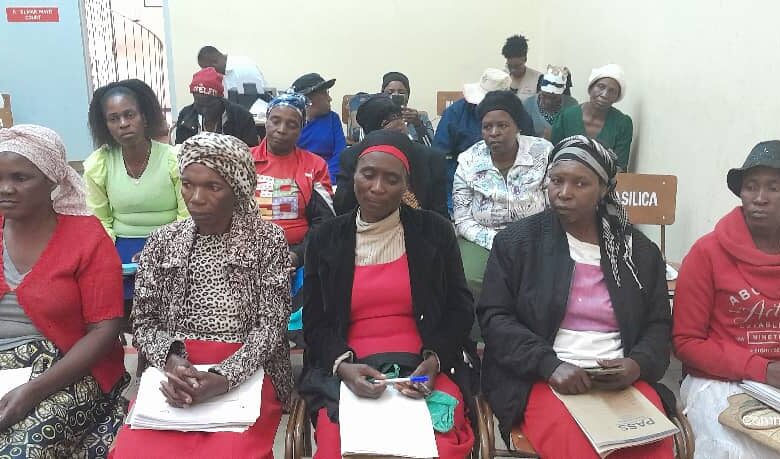
The request came during a Waste Pickers engagement meeting organized by the Matabeleland Human Institute for Human Rights. The meeting, attended by the city’s deputy mayor, Ndlovu, addressed the challenges faced by waste pickers.
Effort Ncube, a picker from Ngozi Mine, highlighted the lack of storage facilities. “Waste picking is my livelihood. I collect 100kg of recyclables daily and sell them to Tregar,” he said. “Having a designated space would prevent landlord conflicts caused by storing recyclables at home.”
Mary Moyo echoed Ncube’s concerns. “Renting a room, I face complaints about keeping recyclables in the yard. The council should provide storage space. We clean the city by picking waste,” she said.
Waste pickers also mentioned conflicts with BCC subcontractors who accuse them of littering while collecting recyclables for resale.
The meeting coincided with International Water Day. Buhlebenkosi Ngwenya from Pumula East pointed out the water crisis affecting waste pickers’ hygiene and sanitation.
“Washing recyclables and ourselves is difficult due to the water shortage. We sometimes fetch water from a faulty pipe in Khami, but queues are long, and we often return empty-handed,” Ngwenya said.
Deputy Mayor Edwin Ndlovu acknowledged the waste pickers’ contribution and promised to advocate for designated workspaces.
“We appreciate your work in keeping our city clean. The council recently established a Small and Medium Enterprises branch to be an independent department. We’ll invite the department head and the City Economic Development department responsible for issuing industrial stands to our next meeting. Our aim is to provide you with designated areas to work freely,” Ndlovu said.
The meeting was supported by the Urban Resilience Building Program in partnership with the World Food Program (WFP), which also supports waste picker training in Mzilikazi district.